Hot or cold or as you like it

Climate change is a scientifically well-established phenomenon supported by an overwhelming consensus among climate scientists. The evidence for its existence and the role of human activities in driving it is robust.
However, there remains a segment of the population, including many immigrants, who continue to express skepticism and view climate change as a myth rather than a reality. This skepticism is influenced by a complex web of factors and understanding them is crucial for addressing the issue effectively.
-
Misinformation and disinformation
One of the primary reasons for climate change skepticism is the dissemination of misinformation and disinformation.
Some interest groups with vested interests in fossil fuels have actively promoted misleading narratives to downplay the significance of climate change. This includes efforts to cast doubt on climate science, cherry-pick data, and present counter-narratives that contradict established facts.
The last Donald Trump administration in the US added some negativism to the climate debate, and this has spilt into Canada and many other countries.
-
Political and ideological divides
Climate change has become a politically charged issue in many countries. Those who identify with a particular political or ideological group may be more inclined to adopt positions that align with the views of that group. In some cases, political ideologies may clash with the need for comprehensive climate action, leading to skepticism and denial of climate change.
In a recent survey carried out by Pew Research, many skeptical interviewees said that “climate change is a hoax used only for political gains.”
-
Economic concerns
For some individuals, the prospect of transitioning to a low-carbon, sustainable economy can be unsettling. They fear job losses in industries dependent on fossil fuels and may view climate policies as threatening their livelihoods. These economic concerns can drive skepticism and resistance to climate change initiatives.
-
Lack of personal experience
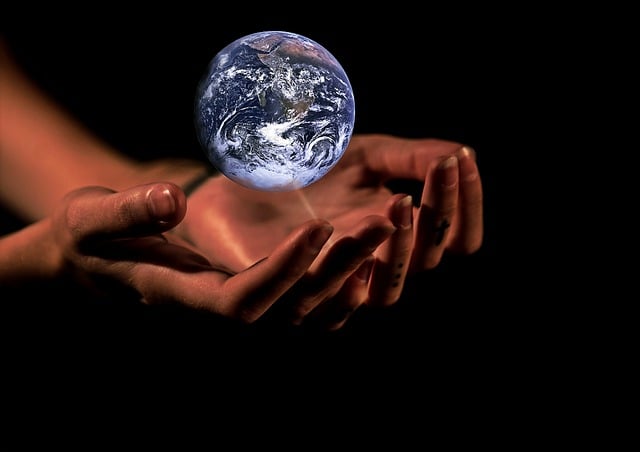
In some regions, climate change impacts are not immediately evident. If people do not personally experience extreme weather events or sea-level rise, they may perceive climate change as a distant problem that doesn’t affect them directly. This lack of personal experience can foster skepticism.
-
Scientific complexity
Climate science is highly complex, and its findings are often communicated through technical language and complex models.
This complexity can make it difficult for the general public to understand the nuances of climate change. Skepticism may arise from a lack of understanding or an inability to differentiate credible scientific research from fringe or unverified claims in social media.
-
Media coverage
Media outlets have sometimes presented climate change as a topic for debate, giving equal weight to climate scientists and skeptics in the name of balance. This can create a false impression that there is a genuine scientific controversy when, in fact, the overwhelming consensus supports the reality of climate change. Media practices can inadvertently contribute to skepticism.
-
Psychological distance
The psychological concept of “temporal discounting” can also play a role. People tend to prioritize immediate concerns over future threats, making it challenging to take decisive action on climate change, which has long-term consequences.
Which way to go?
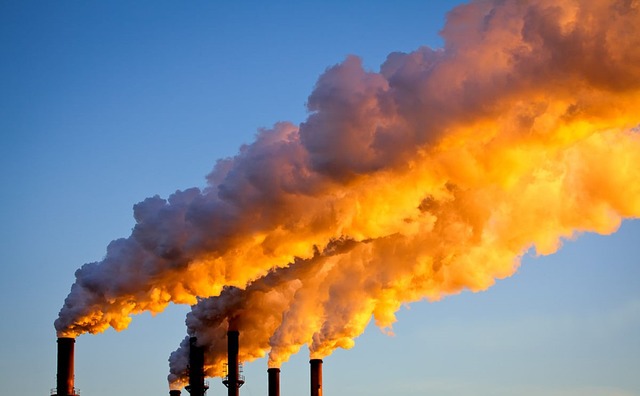
Climate change skepticism, while persistent, is not insurmountable. Addressing it requires a multi-faceted approach that tackles the root causes of skepticism. Efforts should include comprehensive climate education, clear communication of scientific findings, increased awareness of the economic opportunities in a green economy, and measures to counter misinformation and disinformation.
The UN’s Intergovernmental Panel on Climate Change (IPCC) says that global warming is accelerating, and will reach 1.C above pre-Industrial levels around 2030—a full decade earlier than previously forecast.
The need to bridge the gap between skepticism and the reality of climate change is greater than ever.
References