Another one bites the dust
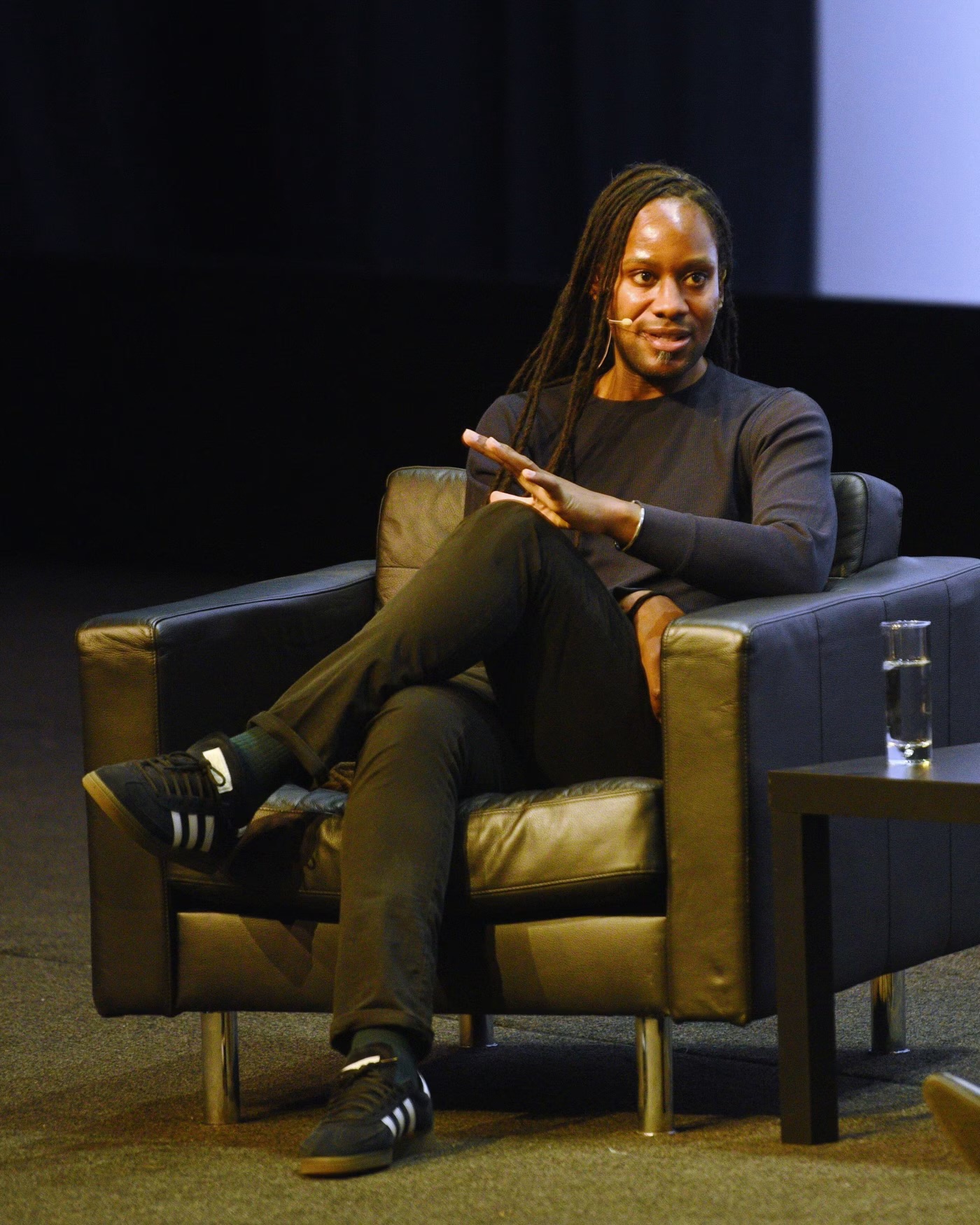

Jason Arday, the Ghanaian professor at the University of Cambridge who resigned this month amid allegations that he had plagiarized his doctoral thesis and made up large parts of his life story, was found dead Friday, according to his family and the university.
Jason Arday — the Ghanaian-born University of Cambridge professor who resigned earlier this month after allegations that he plagiarized his doctoral thesis and fabricated significant parts of his personal biography — was found dead on Friday, according to statements from both his family and the university.
“We are desperately saddened to hear this tragic news,” said Cambridge University Vice Chancellor Deborah Prentice. “Our heartfelt sympathies go to Jason Arday’s family and friends at this incredibly difficult time.”
Metropolitan Police were called to an address in south London on Friday afternoon by the ambulance service, where they found a 41-year-old man dead at the scene. The police said there was no indication of foul play.
Arday’s rise and fall from grace had captured headlines in Britain for weeks and sparked debate about whether the professor was the victim of a racially motivated witch hunt or overpromoted by a university system eager to avoid criticism over its lack of diversity.
Arday’s family said in a statement he had been “subjected to a campaign of sustained abuse for more than three years since he accepted the role of Professor at Cambridge University by those who would leave no stone unturned in their quest to undermine him.”
In 2023, Arday became the youngest Black professor ever appointed by Cambridge. At the time, there were only 150 Black professors out of some 23,000 across the country. Cambridge said his hiring would help address the underrepresentation of people from disadvantaged backgrounds.
His seemingly remarkable life story added to his prominence. Raised in south London in a family of Ghanaian origin, Arday said he was diagnosed with autism as a child, couldn’t speak until he was 11 and overcame illiteracy in his teens before becoming a sociology professor.
In recent months, a handful of academics and at least one journalist cast doubt on the originality of Arday’s 2015 doctoral thesis, and published large excerpts that appeared to be lifted from other scholars almost word for word, including parts of the title.
There was also growing skepticism over dozens of Arday’s other claims about his past, including that he once ran 600 miles between Edinburgh and London for a charity, as well as 30 marathons in 35 days, completing the challenge with a hairline fracture suffered in the 21st of those runs. He also claimed to have raised 5 million pounds, equivalent to around $6.7 million, for charity.
Cambridge initially defended Arday from what it said was a racially motivated smear. But after weeks of mounting evidence that Arday appeared to have repeatedly made up parts of his life story, as well as some of his academic credentials, Cambridge said it would launch an investigation. Arday quit that day.
In a subsequent interview with the Times of London, Arday acknowledged past mistakes and said his autism had contributed to errors in his earlier academic work and that he relied “heavily on mimicry” to understand concepts.
Arday clarified to the Guardian newspaper that the £5 million fundraising for charity was done by a group of people over two decades. He also clarified that he had run 600 miles in 12 days with rest days in between.
But new allegations and inconsistencies continued to surface. The Arday story sparked something of a feeding frenzy in Britain’s notoriously aggressive press.
The Telegraph, which broke the story that Arday’s thesis had been seemingly plagiarized, wrote at least a dozen news and investigative stories about the scandal in recent weeks.
Several such stories included headlines with the phrase: “Cambridge’s diversity poster boy.”
The debate over Arday will likely rage on. Some people on social media blamed the British press for hounding him; others blamed the academic institutions for not having done their vetting properly years ago to save Arday from the public humiliation.
Arday’s memoir, “Great and Unfortunate Things,” was released in the U.S. by Simon & Schuster this week. The Atlantic magazine earlier this month said it had obtained the original book proposal, and found the published memoir diverged notably with Arday’s earlier accounts of his life and the proposal itself.
What this means for Black and minority scholars in academia


Arday’s story lands in a fraught space for Black and minority academics, where representation, scrutiny, and institutional responsibility often collide. His case is likely to intensify several ongoing debates:
image1.jpeg
- The burden of representation
When universities appoint a small number of minority scholars to highly visible roles, those individuals often become symbolic figures — celebrated when they succeed, and disproportionately scrutinized when they falter. Arday’s prominence made his downfall not just personal but political.
- The danger of tokenism
Critics argue that institutions sometimes elevate minority scholars quickly to signal progress, without ensuring adequate support, mentorship, or rigorous vetting. When problems emerge, the fallout can reinforce skepticism about diversity efforts rather than strengthen them.
- The weaponization of scrutiny
Black and minority academics frequently report that their work is examined more aggressively, their achievements questioned more sharply, and their mistakes judged more harshly. Arday’s defenders say the intensity of the media coverage reflects this dynamic.
- The risk of backlash against diversity initiatives
Arday’s case may be used by opponents of diversity programs to argue that such efforts compromise academic standards. Supporters worry this could chill future hiring, discourage promising scholars, or embolden those who already resist inclusion.
Ultimately, Arday’s death will likely become a touchstone in discussions about how academia treats its minority members: the expectations placed on them, the support offered to them, and the systems that either protect or fail them. The conversation will not be simple — and it will not end soon.
Read more