“Real leadership requires the courage to ask, Why?”

Bob Marley spent a lifetime reminding people that real freedom begins with self-belief and collective action. His music challenged communities to look beyond individual struggles and imagine what was possible when people stood together. Decades later, that message still resonates in Canada, where conversations about diversity are increasingly shifting from representation to influence, legacy and shared responsibility.
For Jamaican-Canadian community leader Omar Wisdom, that conversation is long overdue.
Over the years, Wisdom has become a familiar voice in the Durham Region, encouraging Black Canadians and immigrants to move beyond simply settling in Canada and to begin shaping its future. Whether speaking about policing, civic participation or community service, his message remains consistent: lasting change comes when people invest not only in themselves but in those coming behind them.
In this conversation with Tunde Mogaji, Wisdom reflects on why Black communities must build stronger networks, why representation should never come at the expense of excellence, and why the next generation deserves more than inspiring stories; they deserve opportunities.
Q: Many people define success by personal achievements. You’ve often challenged that thinking. What does success mean to you?*
Omar Wisdom: Success has never been about one person reaching the top. If your success only changes your own life, then you’ve accomplished something important. But if your success creates opportunities for ten other people, you’ve started building a community.
That’s the difference. Too often, we celebrate individuals without asking what comes next. Who are they mentoring? Who are they encouraging? Who are they opening doors for?
For me, leadership isn’t measured by titles or recognition. It’s measured by how many people are in a better position because you chose to help them.
That is the kind of legacy I want our young people to understand.
Q: If success is about lifting others, where do you think Black communities in Canada need to grow?
Omar Wisdom: We have to become more intentional about working together. Canada is home to many immigrant communities that have built strong support systems. Families invest in each other. Business owners mentor young entrepreneurs. Professionals introduce younger people to opportunities. Those relationships create momentum that lasts for generations.
I often point to South Asian communities, not because we should copy them, but because they demonstrate the power of collaboration. They understand that helping someone else succeed doesn’t reduce your own success; it strengthens the entire community.
I believe Black communities can build that same culture. If every successful professional decided to mentor just one young person, imagine what our communities would look like in twenty years.
Q: You’re talking about influence, not just visibility. How does that change the conversation around representation?*
Omar Wisdom: Representation matters because people need to see themselves reflected in the institutions that shape society. But representation should never be confused with lowering expectations.
The Black community has doctors, engineers, lawyers, professors, entrepreneurs and highly educated professionals. We already have the talent.
The real challenge is making sure talented people are seen, encouraged and given fair opportunities to compete. That’s very different from suggesting standards need to change.
Q: Your views on representation are rooted in the belief that diversity and excellence can exist together. Can you share a specific example where you had to advocate for this principle? What happened, and why did you feel it was important to speak up?*
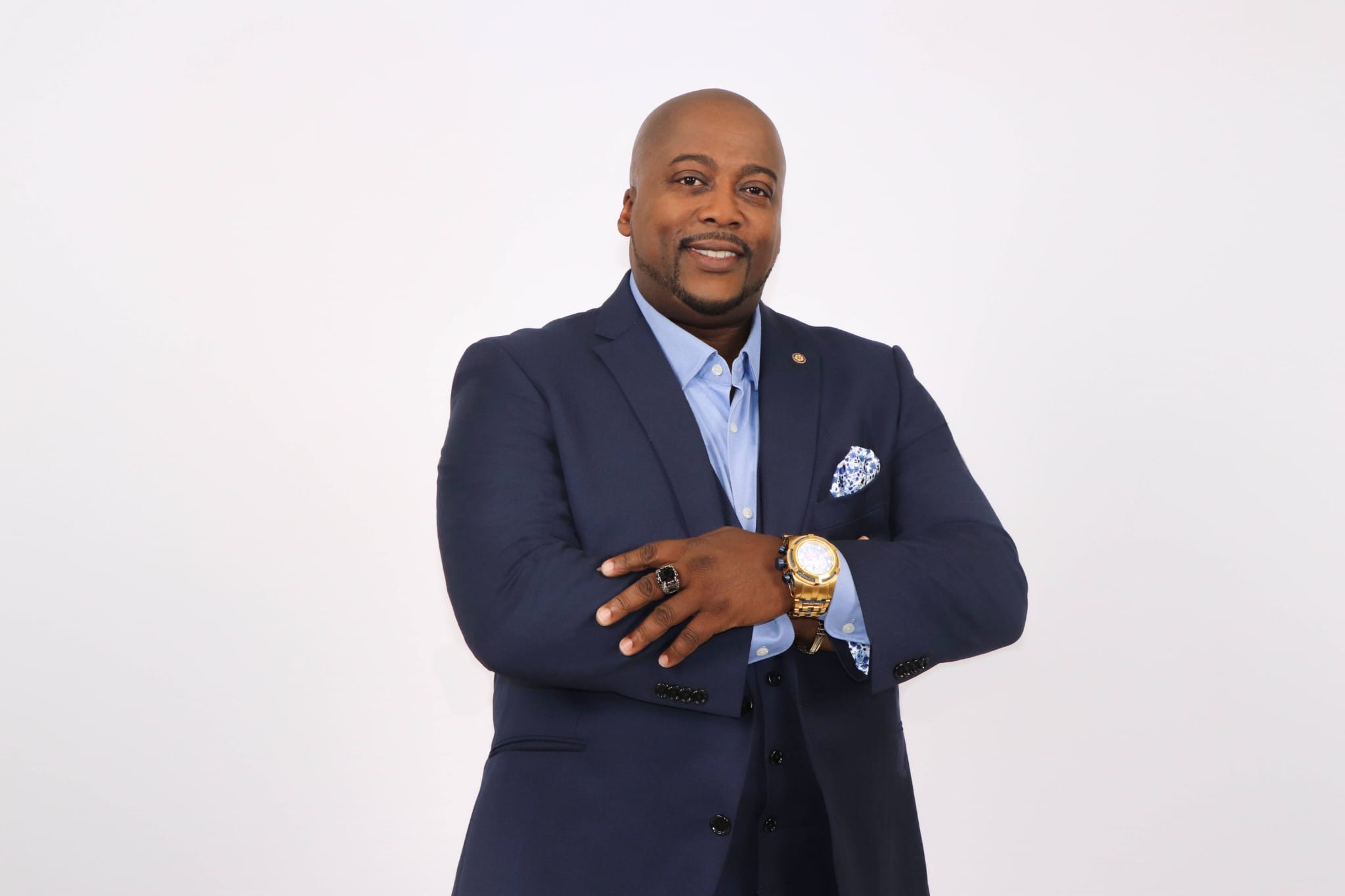
Omar Wisdom: My commitment to representation was shaped through the Canadian Jamaican Club of Oshawa, an organization that has championed issues affecting Black communities since the mid-1980s. After nearly a decade of inactivity, I revitalized the Club in 2006 and served as President from 2006 to 2016 and again from 2017 to 2019, continuing its legacy of community advocacy and leadership.
During my tenure, we launched several community initiatives, including a Saturday program for at-risk children in Oshawa and an annual Christmas toy drive, where I personally dressed as Santa Claus to distribute gifts. We also worked alongside the Congress of Black Women to challenge what many in the community believed were unfair practices by the Children’s Aid Society (CAS) regarding the disproportionate removal of children from families of colour.
Another issue that demanded attention involved the Durham Regional Police Service. Members of the community brought forward concerns that Black officers appeared to face an invisible ceiling in career advancement. Despite being qualified, they were rarely promoted beyond the rank of Staff Sergeant.
As President of the Canadian Jamaican Club of Oshawa, I reached out to the Chief of Police at the time, along with several local politicians, to raise these concerns. During a public town hall hosted by the police service, the Chief responded by saying, “I only promote officers who are competent and qualified.”
Some people in the room were offended by what they interpreted as an implication that Black officers lacked competence. I chose a different approach. I stood up and told the Chief that I agreed with him completely. Then I challenged him to review the records of every qualified officer of colour. If they were not competent, they should not be promoted. But if they met the standards, then they deserved the same opportunities as everyone else.
For me, diversity and excellence are not competing values, they strengthen each other.
Not long afterwards, the Durham Regional Police Service promoted its first three officers of colour to the rank of Inspector.
That experience reinforced an important lesson for me: sometimes inequity is sustained not because of individual malice, but because systems and long-standing practices continue unquestioned.
Real leadership requires the courage to ask, “Why?” and the willingness to change what no longer serves fairness or excellence.
Q: Listening to you, it seems the police conversation was really about something much bigger than policing.
Omar Wisdom: Exactly. It was about how we see ourselves. If we constantly tell communities they need exceptions before they can succeed, eventually people begin to believe it.
I reject that thinking.
Our communities have the ability, the education and the determination to compete anywhere.
What we need are fair opportunities, strong mentorship and leaders willing to advocate for access instead of reduced expectations.
That’s how confidence grows. That’s how young people begin to believe they belong in every profession and every institution.
Q: If access is the issue, doesn’t that also mean Black Canadians need to be more involved where decisions are actually being made?
Omar Wisdom: Absolutely. Communities cannot expect influence if they remain absent from the places where important decisions happen.
Whether it’s politics, school boards, public institutions, professional associations or community organizations, our voices need to be present.
I’ve always encouraged people not to see themselves simply as beneficiaries of Canada but as contributors to Canada’s future.
That’s where real change begins, not on the sidelines, but around the decision-making table.
Q: You keep coming back to the idea of having a seat at the table. After years of working with community leaders and elected officials, is politics something you see in your future?
Omar Wisdom: It’s certainly something I would consider.
Over the years, I’ve worked with elected officials at different levels of government because I believe real change happens when communities build relationships instead of waiting to be invited into the conversation.
I’ve supported leaders who genuinely listened to the concerns of Black Canadians and immigrants and were willing to champion policies that created opportunities for our communities. People like Member of Parliament Rhonda Kirkland have demonstrated the importance of engaging directly with diverse communities and making sure their voices are heard.
But this isn’t about one politician or one political party. It’s about making sure Black Canadians are present wherever important decisions are being made.
That’s one reason I’ve always encouraged immigrants to volunteer. Community service builds trust. It creates relationships. It opens doors that qualifications alone sometimes cannot.
When we serve our neighbours, we’re also changing perceptions of who we are.
Q: Throughout this conversation, you’ve talked about mentorship, service, representation and leadership. Who are you really thinking about when you have these conversations?
Omar Wisdom: Young people. Everything we’ve discussed comes back to the next generation.
Many of us arrived in Canada with very little. We had to learn the system, build careers and create opportunities that didn’t always exist.
I don’t want young Black Canadians or young immigrants to have to fight every battle from the beginning.
If we build stronger networks today, mentor intentionally and create more opportunities, they’ll start from a much stronger position than we did. That, to me, is progress.
Q: What’s your definition of real leadership?

Omar Wisdom: Leadership isn’t about being the only person in the room.
Real leadership is making sure you aren’t the last.
When we stop competing with one another and start investing in one another, we create communities that are resilient, confident and prepared for the future.
Q: Finally, if a young Black Canadian were to read this interview ten years from now, what would you hope they remember most?
Omar Wisdom: I hope they remember that success is bigger than themselves.
Build your career. Build your business. Build your family.
But while you’re building your future, make room for someone else’s.
If every one of us commits to lifting another person, we’ll create opportunities that no policy alone can provide.
That’s how communities grow.