Roses are not always red
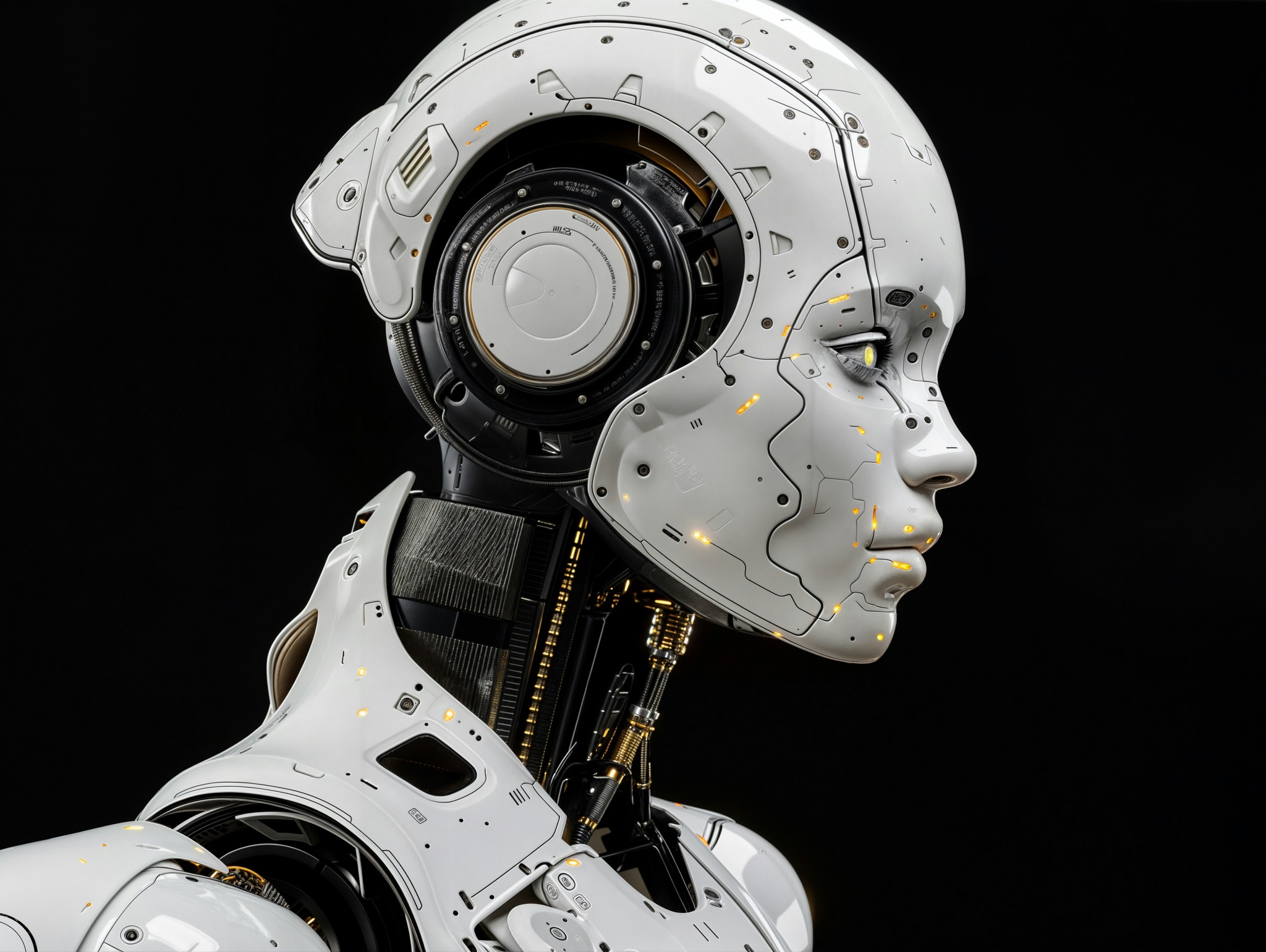
ChatGPT and Ai can do a lot. It can answer questions, help you write, explain complex ideas, and even offer words that feel comforting in difficult moments.
In high-performance circles—especially among immigrant entrepreneurs—there’s a quiet pressure to “figure it out yourself.”
But there’s a line it can’t cross—and that’s becoming your therapist. Here are seven reasons why:
-
No real human connection
Ai can’t “read the Room” (literally). A huge part of therapy isn’t what you say—it’s how you say it.
Therapy and professional counseling work because of the relationship. A therapist listens beyond your words—they notice tone, silence, hesitation, even body language. AI only processes what you type. It can respond, but it doesn’t truly connect.
-
It doesn’t actually feel empathy
AI can simulate empathy with well-crafted language, but it doesn’t feel concern, care, or compassion. A therapist’s empathy comes from lived human experience and emotional understanding—something AI cannot replicate.
-
Cultural context matters more than you think
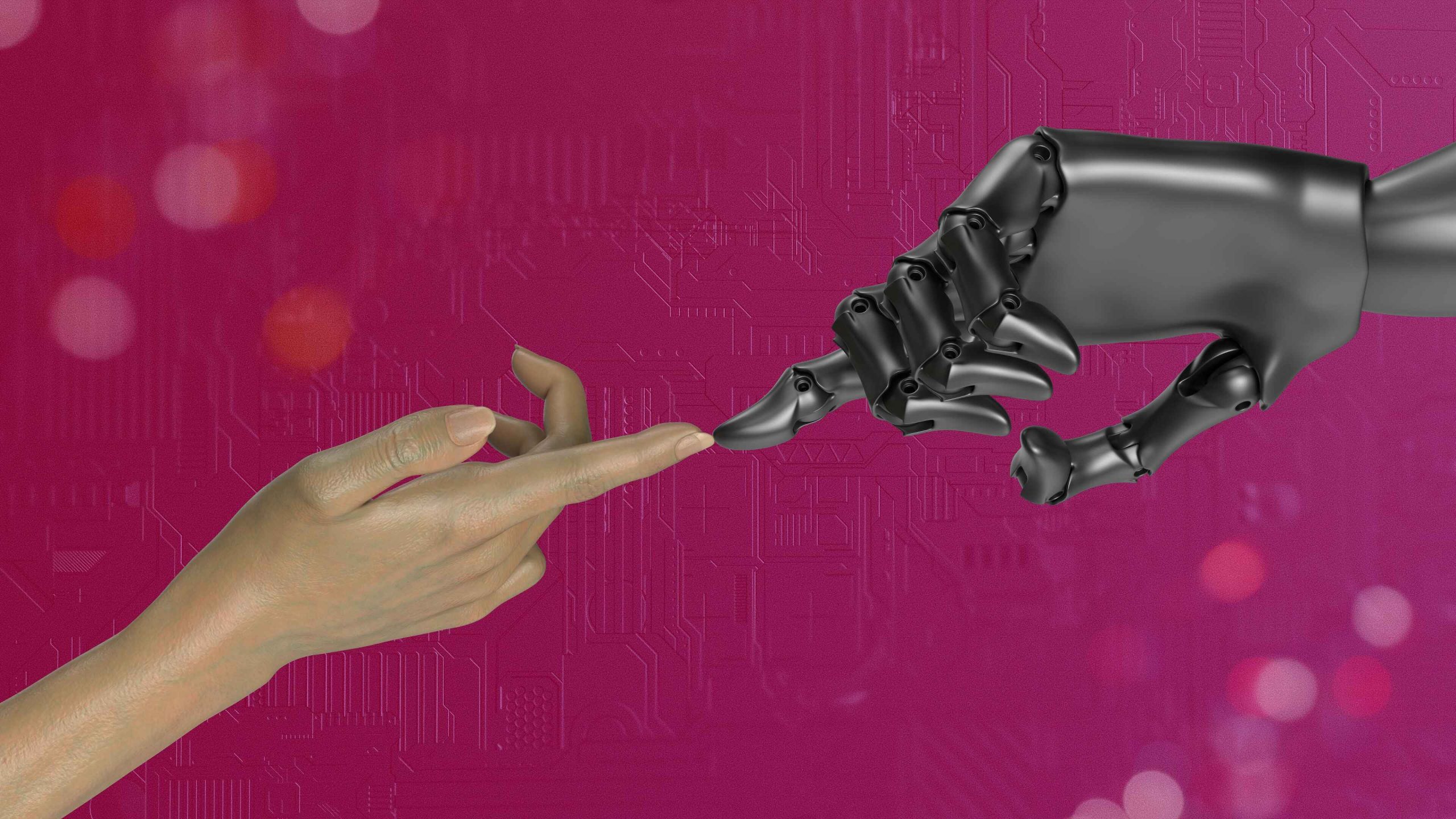
Immigrant experiences and life journeys come with unspoken expectations—family obligation, financial pressure, identity tension. A good therapist can explore how culture shapes your decisions and emotions. AI lacks true cultural sensitivity beyond patterns in data.
Therapists are trained to navigate these complexities over time. AI gives generalized responses, not deeply personalized, evolving care.
-
No professional accountability
Therapists are licensed, regulated, and ethically bound to protect your well-being. There are consequences if they fail in that duty. AI operates without that same level of responsibility—it’s a tool, not a professional bound by ethical codes.
-
It can’t handle a real crisis

In moments of serious distress—like thoughts of self-harm or overwhelming anxiety—you need immediate, human support. A trained therapist or crisis responder can assess risk and intervene appropriately. AI cannot provide that level of real-time care or protection.
-
It won’t truly challenge you
Growth often requires discomfort. A good therapist may question your thinking, confront unhealthy patterns, and guide you through difficult truths. AI tends to stay agreeable and supportive, which can feel reassuring—but may not lead to real change.
-
No continuity of care or deep trust-building
Therapy is a journey built over time. Trust develops session by session, creating a safe space for deeper healing. AI interactions are often fragmented and lack the consistent, evolving relationship that meaningful therapy depends on.
The bottom line

Use AI to think more clearly, write better, and organize your ideas. But don’t outsource your emotional well-being to it.
Because behind every strong professional is a human being—and that human being deserves more than optimized answers.
You deserve a partner in your healing, not just a prompt.