Know thyself

What makes some people stand out wherever they go? Why do certain individuals command respect without demanding it, earn people’s trust effortlessly, inspire confidence and leave a lasting impression on almost everyone they encounter?
Is it intelligence, education, wealth, professional accomplishments or natural charisma?
According to Joe Navarro, a former FBI special agent and internationally recognised expert on human behaviour, the answer lies somewhere deeper.
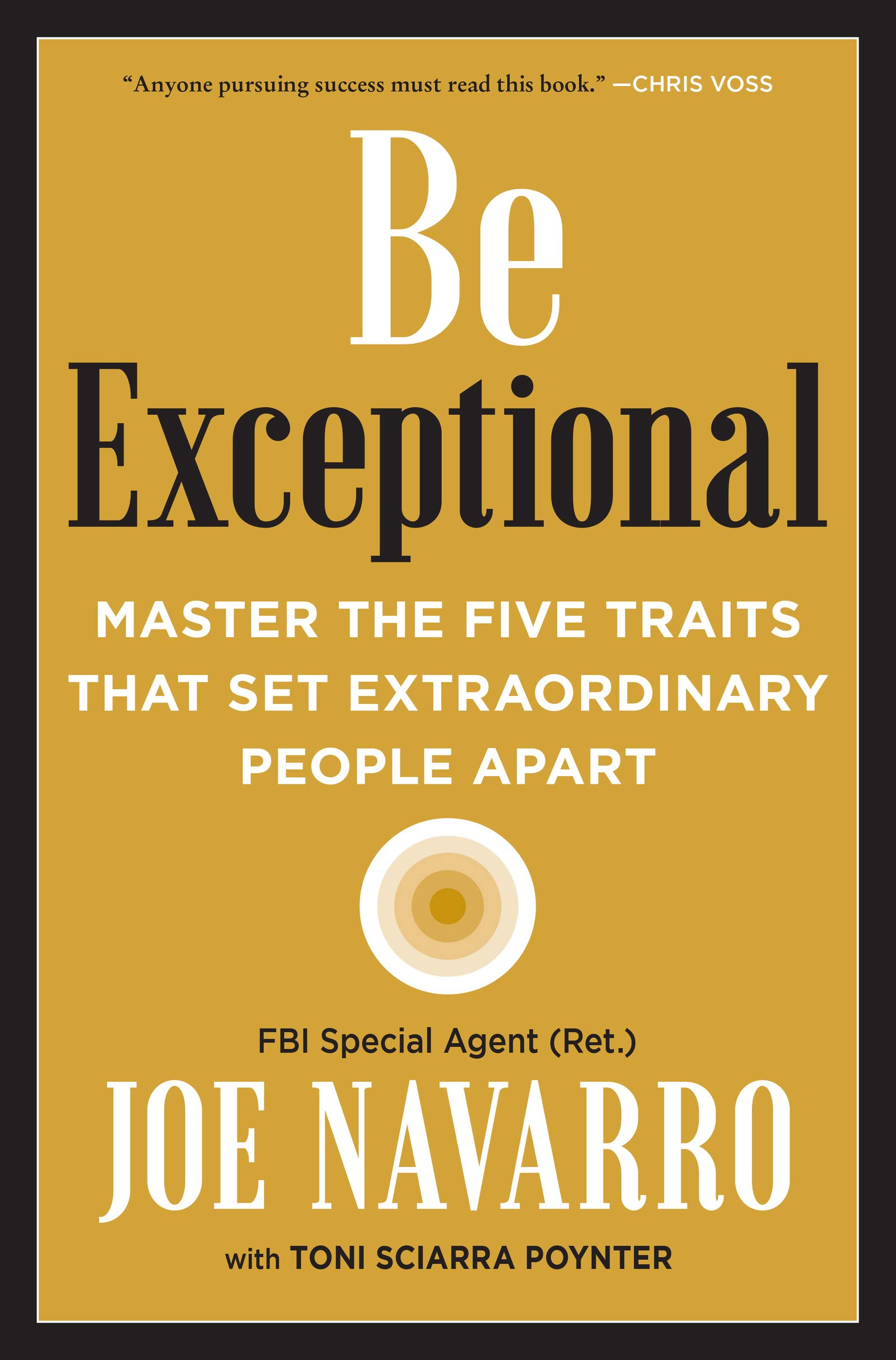
In his fascinating book, Be Exceptional: Master the Five Traits That Set Extraordinary People Apart, Navarro argues that exceptional people are distinguished less by what they possess and more by how they conduct themselves, interact with others and approach life.
Drawing on 25 years of FBI experience, thousands of behavioural observations and his extensive study of human psychology, Navarro identifies five essential qualities that separate truly exceptional individuals from the crowd.
Interestingly, these qualities have little to do with being the smartest person in the room, having the highest qualifications or occupying the most powerful position.
Instead, they are personal qualities that anyone can develop through deliberate practice, self-awareness and consistent effort.
Here are the five traits that Navarro believes can transform the way we live, work and relate to others.
-
Self-mastery: Learn to lead yourself first
Before you can effectively lead others, you must demonstrate the ability to lead yourself.
This is perhaps the most important message in Navarro’s book. Exceptional people understand that personal discipline, emotional control and self-awareness are the foundations of lasting success.
Think about it. How can someone expect others to trust their judgment when they cannot control their temper? How can a person command respect when they consistently fail to honour their commitments? And how can someone inspire discipline in others when their own habits are undisciplined?
Self-mastery begins with taking responsibility for yourself.
It means understanding your strengths and weaknesses, managing your emotions, controlling impulsive reactions and developing habits that support your long-term objectives.
It also requires the courage to examine yourself honestly. Rather than constantly finding excuses or blaming circumstances, exceptional individuals are willing to acknowledge where they fall short and make deliberate efforts to improve.
How to develop self-mastery:
- Learn to manage your emotions, particularly when under pressure.
- Develop routines that encourage discipline and consistency.
- Become comfortable receiving constructive criticism.
- Set personal standards and hold yourself accountable.
- Make continuous learning and self-improvement part of your lifestyle.
The central lesson is simple: your greatest leadership responsibility is yourself.
-
Observation: Learn to see what others miss
One of the most interesting dimensions of Navarro’s book is the importance of observation.
As a former FBI agent, Navarro spent much of his career studying human behaviour, interpreting nonverbal signals and assessing situations where missing important details could have serious consequences.
He argues that exceptional people pay attention to things others frequently overlook.
They notice changes in people’s expressions, body language, tone of voice and behaviour. They pay attention to their surroundings and are sensitive to the needs, feelings and preferences of others.
This is particularly important in leadership, business and relationships.
Imagine attending a business meeting where everyone appears enthusiastic about a proposal. However, one person remains unusually quiet, avoids eye contact and seems uncomfortable.
An ordinary observer might overlook these signals. A more attentive person might recognise that something is wrong and create an opportunity for that individual to express their concerns.
That small difference in observation could prevent a costly misunderstanding or lead to a better decision.
Observation is not simply about watching people. It is about developing the awareness to understand what is happening around you.
How to become a better observer:
- Listen carefully instead of constantly thinking about what you will say next.
- Pay attention to people’s facial expressions, gestures and tone of voice.
- Notice changes in people’s behaviour and emotional responses.
- Ask thoughtful questions rather than making assumptions.
- Become more aware of your surroundings and the dynamics in different situations.
- Exceptional people understand that sometimes the most important information is what people communicate without saying a word.
-
Communication: Move beyond talking to connecting
The ability to communicate effectively is one of the most valuable skills a person can possess.
However, Navarro makes an important distinction between simply communicating information and communicating in ways that influence, inspire and motivate others.
Exceptional communicators understand that communication is not just about the words they use. It also involves how they speak, how they listen, their body language and the emotional experience they create for others.
Consider two managers delivering the same message to their employees.
One speaks in a commanding tone, dismisses questions and makes people feel inadequate.
The other communicates clearly, listens to concerns, acknowledges contributions and makes employees feel valued.
Both may deliver exactly the same information, but the impact is entirely different.
The difference is not necessarily intelligence or authority. It is the ability to connect with people.
Great communicators also understand the importance of adapting their communication to different audiences. What motivates one person may discourage another. What sounds persuasive in a boardroom may not work in a casual conversation.
The objective is not simply to be heard but to ensure that people feel understood.
How to become a better communicator:
- Listen with genuine interest and avoid interrupting.
- Make your communication clear, respectful and purposeful.
- Pay attention to your tone, facial expressions and body language.
- Learn to communicate with empathy, especially during disagreements.
- Focus on understanding people before trying to persuade them.
Ultimately, exceptional communication is about building relationships, earning trust and creating meaningful connections.
-
Action: Turn good intentions into meaningful results

There is a significant difference between people who talk about making things happen and those who actually do.
Exceptional individuals understand that good intentions, impressive ideas and ambitious plans mean very little without action.
But Navarro’s concept of action goes beyond simply being busy or achieving personal objectives. He emphasises action that is timely, ethical and beneficial to others.
This is an important distinction.
Some people are extremely productive but leave a trail of damaged relationships, disappointed colleagues and broken promises.
Exceptional people understand that how they achieve results matters just as much as the results themselves.
They lead by example, take responsibility and demonstrate a willingness to contribute rather than simply issue instructions.
For instance, consider a team leader who constantly demands punctuality but regularly arrives late. Compare that with someone who consistently demonstrates the standards expected of everyone else.
The second leader earns credibility through action rather than position.
Exceptional people also understand that timing matters. Recognising when to act, when to speak up and when to offer assistance can make an enormous difference.
How to develop this quality:
- Follow through on commitments, even when inconvenient.
- Take responsibility instead of waiting for someone else to act.
- Lead by example rather than relying solely on instructions.
- Make decisions guided by integrity and consideration for others.
- Look for practical opportunities to make a positive difference.
- The lesson is that your actions ultimately reveal more about your character than your words ever will.
-
Psychological comfort: Make people feel valued and respected

Perhaps the most intriguing of Navarro’s five traits is psychological comfort.
It is also one of the most overlooked qualities in leadership and human relationships.
Psychological comfort refers to the ability to make other people feel safe, respected, accepted and valued in your presence.
Think about the people you genuinely enjoy being around.
They may not necessarily be the wealthiest, most intelligent or most accomplished people you know. But there is something about their presence that makes you feel comfortable.
You can express an opinion without worrying about being ridiculed. You can admit a mistake without being humiliated. You feel that your contributions matter and that you are treated with dignity.
These individuals create an environment in which people can be themselves without constantly feeling judged or threatened.
This is a powerful quality, particularly for leaders.
People are more likely to trust, cooperate with and engage meaningfully with individuals who make them feel respected.
It is also important to understand that psychological comfort does not mean avoiding difficult conversations, agreeing with everyone or lowering standards.
You can challenge someone’s ideas without attacking their dignity. You can correct mistakes without humiliating the person responsible. You can disagree without being disrespectful.
Exceptional individuals understand this distinction.
How to create psychological comfort:
- Treat everyone with dignity, regardless of their position or status.
- Avoid embarrassing or belittling people, particularly in public.
- Show genuine interest in other people’s experiences and opinions.
- Give people room to express themselves without unnecessary judgment.
- Recognise contributions and acknowledge the efforts of others.
- Make your presence reassuring rather than intimidating.
One of the greatest compliments anyone can receive is that people feel better about themselves after spending time with them.
A practical challenge: Start becoming exceptional today
One of the most valuable lessons from Be Exceptional is that becoming exceptional is not a one-time achievement. It is an ongoing process of personal development.
You can begin with five simple daily commitments:
- Master yourself: Identify one personal weakness or habit you need to improve.
- Observe more: Pay closer attention to people, situations and the details around you.
- Communicate better: Make someone feel genuinely heard and understood.
- Take meaningful action: Follow through on one important commitment.
- Make someone feel valued: Do something that leaves another person feeling respected and appreciated.
Repeat these actions consistently, and over time, they can change not only how you see yourself but also how others experience you.
Read more
Be Exceptional: Master the Five Traits That Set Extraordinary People Apart